


The Legacy of Yayo Estévez and the Fight Against Castro's Regime

The story of Cuba’s mid-20th century political turmoil is incomplete without understanding the role of Yayo Estévez and the Organización Auténtico (OA). This clandestine paramilitary group emerged as a fierce opponent of both Fulgencio Batista’s dictatorship and later Fidel Castro’s revolutionary government. Yayo Estévez, a figure wrapped in controversy, symbolizes the complex journey of many Cubans who initially supported the revolution but later turned into determined exiles fighting against the communist regime. This post explores the origins of the OA, the political backdrop of the Partido Auténtico, and the enduring impact of Estévez’s resistance.
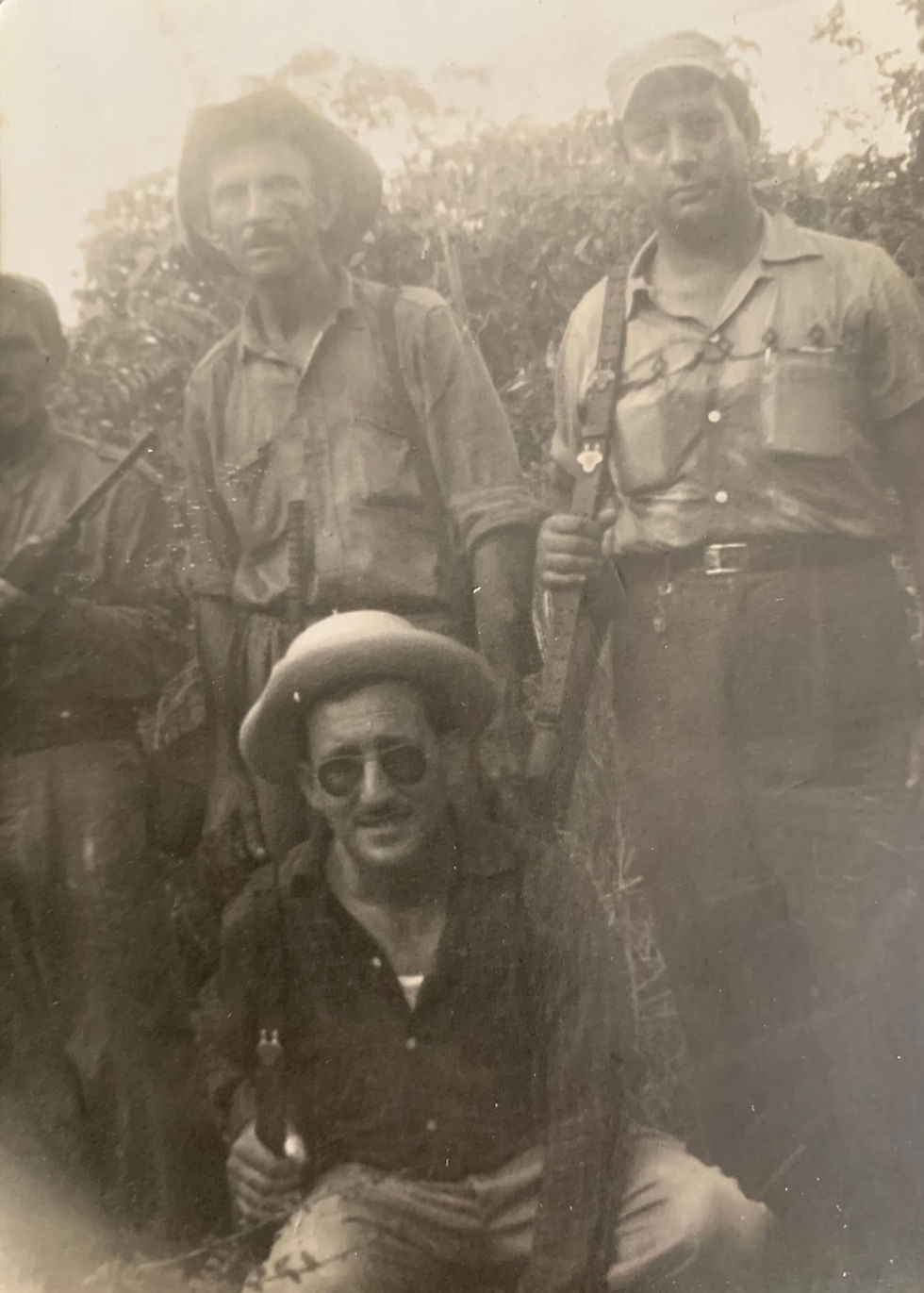
The Origins of the Organización Auténtico
The Organización Auténtico was born out of necessity during a turbulent era in Cuban history. After Fulgencio Batista’s 1952 coup, many political groups sought ways to resist his authoritarian rule. The OA functioned as the clandestine paramilitary arm of the Partido Revolucionario Cubano – Auténtico (PRC-A), a major liberal nationalist party that had dominated Cuban politics since the 1930s.
The OA’s mission was clear: actively resist Batista’s dictatorship through sabotage and political action. Their activities were covert and dangerous, reflecting the high stakes of opposing a regime known for brutal repression. After the 1959 Revolution, when Fidel Castro took power, the OA shifted its focus to opposing the new government, which many former revolutionaries saw as betraying the ideals of freedom and democracy.
Partido Auténtico’s Role in Cuban Politics
The Partido Auténtico was a dominant force in Cuban politics before the revolution. Led by presidents Ramón Grau San Martín and Carlos Prío Socarrás, the party championed liberal nationalism and sought to modernize Cuba while maintaining democratic institutions. However, internal corruption and political instability weakened the party’s influence by the early 1950s.
Despite its decline, the Partido Auténtico’s legacy lived on through groups like the OA. Members of the party, disillusioned by Batista’s coup and later Castro’s communist turn, found themselves fighting on two fronts: first against dictatorship, then against revolutionary authoritarianism.
Yayo Estévez: From Revolutionary Supporter to Exile Fighter
Eulalio "Yayo" Estévez’s life reflects the complex political shifts of his time. Born in Caibarién, Cuba, Estévez initially supported the Cuban Revolution, hopeful it would bring positive change. However, his views diverged from the revolutionary leadership, particularly after Comandante Camilo Cienfuegos identified him as someone whose ideas no longer aligned with the revolution’s direction.
This ideological split forced Estévez to flee Cuba. Once in exile, he became associated with anti-Castro groups, including the OA’s factions in Miami and New York. These groups engaged in political activism and sabotage aimed at undermining Castro’s regime. Estévez’s story is often mentioned alongside Antonio Pérez Quezada, known as "Antoñico el Isleño," both figures linked to early CIA-supported opposition efforts.
The OA’s Activities in Exile
After 1959, the OA transformed into a prominent anti-communist exile organization. By 1960–1961, it had established factions in key U.S. cities like Miami and New York. These factions coordinated efforts to continue political resistance and sabotage against the Castro government.
Their operations included:
Gathering intelligence on the Cuban regime
Organizing protests and political campaigns
Supporting armed incursions and sabotage missions
The OA’s activities reflected the broader Cuban exile community’s determination to reclaim their homeland from communist control. Their efforts, while controversial, underscored the deep divisions within Cuban society and the enduring fight for political freedom.

The Historical Controversy Surrounding Yayo Estévez
Yayo Estévez remains a controversial figure in Cuban history. Cuban government records portray him as a counter-revolutionary who turned against the ideals of the revolution. His association with groups labeled as terrorist by the Cuban regime complicates his legacy.
Yet, from the perspective of many exiles, Estévez represents a patriot who refused to accept the loss of Cuban democracy. His journey from revolutionary supporter to exile fighter illustrates the painful choices faced by many Cubans during this era.
The Impact of the OA and Estévez on Cuban Exile Politics
The OA’s legacy, shaped in part by Estévez’s leadership and activism, influenced the broader Cuban exile movement. Their commitment to opposing Castro’s government helped maintain international awareness of Cuba’s political repression.
Key impacts include:
Inspiring subsequent generations of Cuban exiles to remain politically active
Contributing to U.S. policies aimed at isolating the Castro regime
Preserving the memory of pre-revolutionary Cuban political ideals
The OA’s story is a reminder that political resistance often takes many forms, from armed struggle to political advocacy.
Lessons from the Fight Against Castro’s Regime
The history of Yayo Estévez and the Organización Auténtico offers several lessons:
Political loyalty can shift dramatically in response to changing regimes
Resistance movements often face moral and strategic dilemmas
Exile communities play a crucial role in sustaining opposition to authoritarian governments
Understanding these dynamics helps explain the ongoing complexities of Cuban politics and the enduring hope for change among many Cubans worldwide. - Wolf Witman


Comments