


The Dark Side of Utopia: Lessons from Calhoun's Universe 25 Experiment

In 1968, John B. Calhoun created an experiment that would reveal unsettling truths about society, behavior, and the limits of abundance. Universe 25, a controlled environment for mice, offered endless food and comfort but restricted space. What followed was a collapse of social order and the rise of a strange group known as “The Beautiful Ones.” These mice, perfect in appearance, spent their days eating, sleeping, and grooming, avoiding all social interaction and refusing to reproduce. This experiment offers a stark warning about the dangers of overcrowding and the loss of purpose, even when resources are unlimited.
The Setup of Universe 25 and Its Purpose
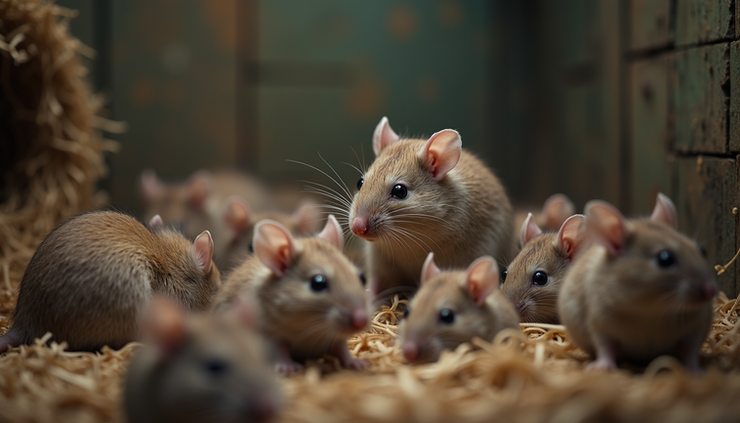
Calhoun designed Universe 25 to study the effects of population density on behavior. He placed eight mice in a large, enclosed habitat filled with unlimited food, water, and nesting material. The environment was free from predators and disease, creating what seemed like a perfect utopia for the mice.
The goal was to observe how the population would grow and how social structures would evolve when resources were no longer a limiting factor. Initially, the population grew rapidly, doubling every 55 days. But as the population approached the carrying capacity of the space, unexpected behaviors began to emerge.
The Collapse of Social Roles
As the mouse population increased, the social order started to break down. Aggression rose sharply, and dominant males became unable to control the group. The mice exhibited what Calhoun called a "behavioral sink," where normal social behaviors collapsed into chaos.
Key behaviors observed included:
Violence and aggression: Mice fought more frequently, injuring and killing each other.
Social withdrawal: Some mice stopped interacting, isolating themselves from the group.
Neglect of offspring: Mothers abandoned or ignored their young, leading to high infant mortality.
Breakdown of mating rituals: Courtship behaviors disappeared, reducing reproduction rates.
This breakdown showed that even with endless food and comfort, overcrowding and social stress could destroy a community.
The Rise of “The Beautiful Ones”
One of the most disturbing outcomes was the emergence of a group Calhoun called “The Beautiful Ones.” These mice were physically perfect and spent their time grooming, eating, and resting. They avoided all social contact, including mating and parenting.
Characteristics of “The Beautiful Ones” included:
Complete social withdrawal: They ignored other mice and avoided conflict.
No reproduction: They did not mate or raise offspring.
Focus on self-care: Their activities were limited to grooming and eating.
This behavior represented a loss of purpose and drive. In a world without challenge or social interaction, even the healthiest individuals lost the will to contribute to the community’s survival.

What Universe 25 Tells Us About Human Societies
Calhoun’s experiment was designed to model fears about post-WWII overpopulation. It suggested that overcrowding could lead to social collapse, even when resources are abundant. While humans are more complex than mice, the experiment raises important questions about how environment and social structure affect behavior.
Some lessons to consider:
Abundance alone does not guarantee well-being. Without meaningful challenges or social roles, individuals may lose motivation.
Overcrowding can increase stress and aggression, damaging community bonds.
Social isolation harms mental health and reduces cooperation.
Purpose and social connection are vital for healthy societies.
These insights remain relevant today as urban populations grow and technology changes how we interact.
Modern Reflections and Applications
Universe 25 has influenced research in psychology, sociology, and urban planning. It highlights the need to design environments that support social interaction and personal purpose.
Examples include:
Urban design that balances density with green spaces and community areas.
Workplaces and schools that encourage collaboration and meaningful engagement.
Mental health initiatives that address isolation and social withdrawal.
The experiment also warns against complacency in times of abundance. Without challenges or goals, societies risk stagnation and decline.
Final Thoughts on the Dark Side of Utopia
Universe 25 shows that a perfect environment in terms of resources can still fail if social and psychological needs are ignored. The rise of “The Beautiful Ones” symbolizes what happens when individuals lose connection and purpose.
This experiment encourages us to think beyond material comfort. Building healthy communities requires attention to social structures, meaningful roles, and opportunities for connection. As we face challenges like urban overcrowding and social isolation, the lessons from Universe 25 remain a powerful reminder: true well-being depends on more than just abundance.
If you found this exploration of Universe 25 thought-provoking, consider how your own environment supports social connection and purpose. Small changes in community design or personal habits can help prevent the kind of behavioral collapse seen in Calhoun’s mice. - Wolf Witman


Comments