


Are Microwaves Making Your Food Toxic and Nutritionally Void?

Most people believe microwaves are a harmless convenience in the kitchen. You press a button, and your food is hot in minutes. But what if the way you heat your food changes its energy in a harmful way? What if microwaved food loses its nutritional value and becomes toxic? These are serious claims, but they deserve a closer look.
Microwaves use electromagnetic waves to heat food quickly. Unlike traditional cooking methods, microwaves create chaotic, aggressive energy that affects the food’s natural energy, or Qi. Even if the food looks the same after microwaving, its internal energy has changed. This post explores why microwaved food may be “dead” or radiated food, why it might be toxic, and why your dog might refuse to eat it.

How Microwaves Change Your Food’s Energy
Microwaves heat food by causing water molecules to vibrate rapidly. This vibration generates heat, cooking the food from the inside out. While this sounds efficient, the energy produced is chaotic and aggressive. It disrupts the natural structure and energy flow of the food.
Traditional cooking methods like boiling, steaming, or baking heat food more gently and evenly. This preserves the food’s natural energy and nutrients. Microwaving, on the other hand, scatters the Qi of the food. Qi is a concept from traditional Chinese medicine that refers to the vital life force or energy within living things, including food.
When food loses its Qi, it becomes “dead” food. This means the food no longer carries the life energy that supports health and vitality. Even if the food looks and tastes normal, its energetic quality is compromised.
Nutritional Impact of Microwaving Food
Scientific studies show that microwaving can reduce certain nutrients in food, especially vitamins like B12, C, and E. These vitamins are sensitive to heat and radiation. Because microwaves heat food unevenly and rapidly, some parts may become overheated while others remain cold, leading to nutrient loss.
For example:
Vitamin C can degrade by up to 30% in microwaved vegetables compared to steaming.
B vitamins may break down faster due to the intense energy microwaves produce.
Protein structures can be altered, affecting digestibility.
This means microwaved food may provide fewer nutrients than food cooked on a stove or in an oven.
Why Microwaved Food May Be Toxic
The term “toxic” here refers to the idea that microwaving creates harmful compounds or radiation effects in food. While microwaves do not make food radioactive, the aggressive energy can cause chemical changes:
Formation of free radicals: These unstable molecules can damage cells and contribute to inflammation.
Altered fats: Microwaving can oxidize fats, creating harmful compounds linked to heart disease.
Loss of antioxidants: Antioxidants protect the body from damage, but microwaving reduces their levels.
These changes may make microwaved food harder for the body to process and less beneficial overall.
Why Dogs Often Refuse Microwaved Food
If you have a dog, you might notice they avoid food heated in the microwave. Dogs have a keen sense of smell and taste, and they can detect changes in food quality that humans might miss.
Dogs prefer food cooked slowly on a stove or in an oven because it retains its natural aroma and energy. Microwaved food smells different and lacks the warmth and texture that appeal to dogs. This behavior supports the idea that microwaved food loses its life force and becomes less nourishing.
Practical Tips for Healthier Food Heating
If you want to avoid the potential downsides of microwaving, here are some practical alternatives:
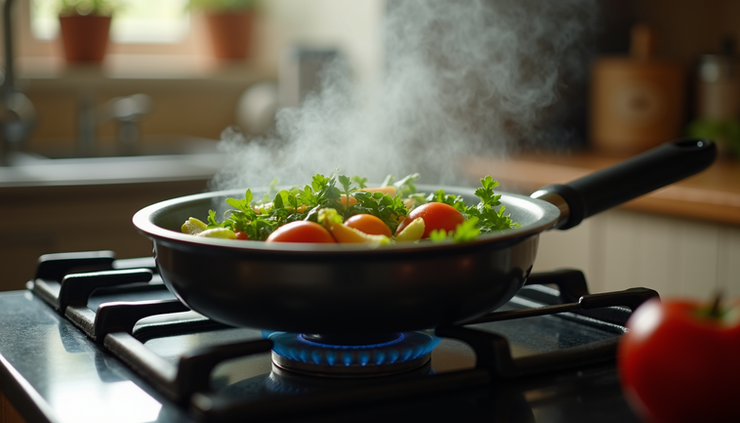
Use a stove or oven: These methods heat food evenly and preserve nutrients better.
Steam vegetables: Steaming retains vitamins and minerals without harsh energy.
Reheat gently: If you must use a microwave, use low power and short times to minimize damage.
Avoid plastic containers: Use glass or ceramic to prevent chemical leaching.
Cook fresh meals: Whenever possible, cook food fresh instead of reheating leftovers.
Understanding the Bigger Picture
Microwaves offer convenience, but this convenience comes with trade-offs. The chaotic energy they produce changes the food’s structure and energy, potentially reducing its nutritional value and making it less healthy. While microwaved food is not radioactive or immediately harmful, the subtle changes in energy and nutrients matter over time.
Choosing cooking methods that respect the natural energy of food supports better health. This is especially important for people who rely on microwaved meals daily or feed pets with reheated food. - Wolf Witman


Comments