


5 Essential Factors to Consider Before Purchasing an Ebike

Electric bikes, or ebikes, have become a popular choice for commuting, exercise, and leisure. They offer a blend of traditional cycling with electric assistance, making rides easier and more enjoyable. However, buying an ebike requires more thought than just picking the first model you see. Here are five key factors to keep in mind before making your purchase.
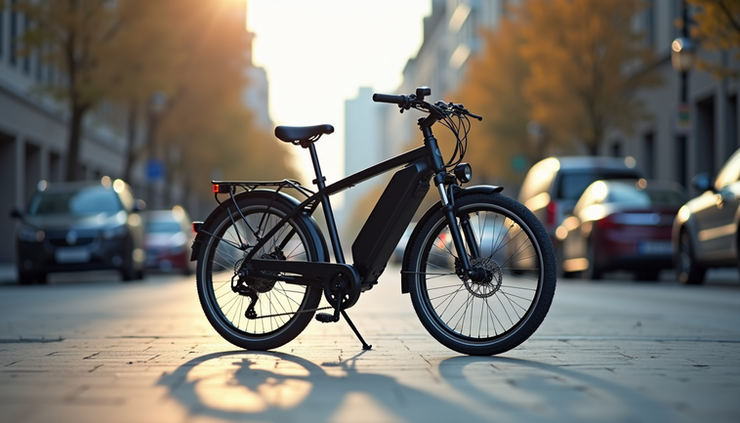
1. Battery Life and Range
One of the most important aspects of an ebike is its battery. The battery determines how far you can travel on a single charge. Look for an ebike with a battery capacity that matches your typical ride distance. For example, if your daily commute is 15 miles, choose a bike with a range of at least 20 miles to allow for extra trips or detours.
Keep in mind that factors like rider weight, terrain, and level of pedal assistance affect battery life. Some batteries take several hours to recharge, so consider how long you can wait between rides. Removable batteries offer convenience for charging indoors.
2. Motor Power and Placement
The motor provides the electric boost that makes pedaling easier. Ebikes usually have motors rated between 250W and 750W. A 250W motor is sufficient for flat city rides, while a more powerful motor helps on hills or rough terrain.
Motors come in different placements: front hub, rear hub, or mid-drive (center of the bike). Mid-drive motors offer better balance and efficiency, especially for climbing hills, but they tend to cost more. Rear hub motors provide strong acceleration but can affect handling. Choose the motor type that fits your riding style.
3. Frame Type and Weight
Ebikes come in various frame styles such as step-through, mountain, or hybrid. Step-through frames are easier to mount and dismount, ideal for casual riders or those with limited mobility. Mountain-style frames suit off-road trails, while hybrid frames work well for mixed terrain and commuting.
Weight matters because ebikes are heavier than regular bikes due to the motor and battery. A lighter frame makes handling easier, especially if you need to carry the bike upstairs or load it into a vehicle. Aluminum frames are common for their balance of strength and weight.
4. Features and Accessories
Consider what features you need for your daily use. Some ebikes include built-in lights, fenders, racks, and display screens showing speed and battery level. Others offer smartphone connectivity or multiple pedal-assist modes.
If you plan to use your ebike for errands, a sturdy rear rack or basket is helpful. For safety, integrated lights and reflective elements improve visibility. Test the controls to ensure they are intuitive and comfortable.

5. Price and Warranty
Ebikes vary widely in price, from around $800 to several thousand dollars. Higher prices often reflect better components, longer battery life, and stronger motors. Set a budget but be ready to invest in quality for durability and performance.
Check the warranty details carefully. A good warranty covers the battery, motor, and frame for at least one year. Some brands offer extended warranties or free servicing for a period. This support can save money and hassle down the road.


Comments